Is Confucianism a static relic of the past, or a living, breathing diversity of thought? While we often speak of Confucianism in the singular, this course invites you to explore "Confucianisms"—a dynamic and evolving tradition that has taken different shapes across time and geography.
通过 Coursera Plus 提高技能,仅需 239 美元/年(原价 399 美元)。立即节省

您将学到什么
Understand the diversity of the Confucian tradition.
Analyze each thinker's models of moral cultivation.
Critically evaluate key philosophical issues.
要了解的详细信息

添加到您的领英档案
March 2026
9 项作业
了解顶级公司的员工如何掌握热门技能

该课程共有8个模块
Welcome to the opening of our journey into East Asian philosophy. This module introduces the two towering figures who defined the intellectual landscape of their respective eras: Zhu Xi, the great synthesizer of Neo-Confucianism in 12th-century China, and Jeong Yak-yong (Dasan), the representative realist scholar of 18th-century Korea. We delve into the core philosophical debate that shaped East Asian thought for centuries. We begin by exploring Zhu Xi’s Li-Qi Theory, a grand metaphysical framework that views human nature as an extension of cosmic principles. You will learn how Zhu Xi established a rigorous system where moral cultivation starts with understanding the Principle (Li) inherent in all things. Then, we transition to Jeong Yak-yong’s critical response. Breaking away from abstract metaphysics, Jeong Yak-yong shifted the focus from "What we are" to "What we do." We will examine his "Theory of Inclination" and his insistence that virtue is not a pre-installed essence but a result of active, concrete practice.
涵盖的内容
5个视频2篇阅读材料1个作业1个讨论话题
5个视频• 总计50分钟
- Opening for “Zhu Xi & Jeong Yak-yong in Comparative Perspective”• 13分钟
- Introduction• 5分钟
- Zhu Xi on Liqi & Zhu Xi's Recovery Model• 14分钟
- Dasan's Criticism of Zhu Xi• 11分钟
- Comparison between Zhu Xi and Dasan• 7分钟
2篇阅读材料• 总计70分钟
- Course Introduction• 10分钟
- Reading Materials• 60分钟
1个作业• 总计10分钟
- What have you learnt this week?• 10分钟
1个讨论话题• 总计10分钟
- Self-Introduction• 10分钟
In this lecture, Prof. Soyoung You will help you understand Dasan’s redefinition of Confucian learning. Situating Dasan within the dynamic intellectual environment shaped by Evidential Learning and Western Learning, she explains how Dasan challenged Zhu Xi’s interpretation of The Great Learning and instead positioned The Doctrine of the Mean as the foundation of Confucian learning. Centering on sincerity (seong), self-examination (sindok), and reverent moral vigilance (gyesin gonggu) under Sangje, Dasan redefined learning as the cultivation of the sindok gunja, emphasizing continuous moral vigilance.
涵盖的内容
7个视频1篇阅读材料1个作业
7个视频• 总计45分钟
- Introduction• 3分钟
- Knowledge Circulation in Late Joseon: Context for Dasan Jeong Yak-yong• 9分钟
- Dasan’s Critique of Zhu Xi’s Great Learning and His Strategic Turn to the Doctrine of the Mean• 6分钟
- Dasan’s Doctrine of the Mean (1): Sangje as Moral Foundation • 6分钟
- Dasan’s Doctrine of the Mean (2): Human Nature and the Sindok Gunja• 6分钟
- Closing• 2分钟
- Q&A• 12分钟
1篇阅读材料• 总计60分钟
- Reading Materials• 60分钟
1个作业• 总计10分钟
- What have you learnt this week?• 10分钟
In this week, Prof. Dobin Choi explains the theme of “human nature” in later Confucianism through a comparative study of Zhu Xi and Dasan Jeong Yak-yong. Revisiting the long-standing Confucian concern with human nature (xing, 性), he contrasts Zhu Xi’s metaphysical account grounded in Principle (Li, 理) with Dasan’s more empirical interpretation centered on taste (Giho, 嗜好). Engaging especially with Mengzi’s claim that human nature is inherently good, the lecture highlights how each thinker reinterprets the classical tradition in a distinctive way. Their contrasting views of human nature ultimately lead to different visions of moral cultivation and the path toward ethical self-formation.
涵盖的内容
8个视频1篇阅读材料1个作业
8个视频• 总计53分钟
- Introduction• 2分钟
- Human Nature in Ancient Confucianism• 5分钟
- Neo-Confucianism and Zhu Xi’s View of Human Nature as Li• 7分钟
- Dasan’s View of Human Nature as Taste• 8分钟
- Human Nature in the Analects and Individual Qi Nature• 6分钟
- Human Nature and “Principle and Righteousness” in Mengzi 6A7• 11分钟
- Conclusion• 3分钟
- Q&A• 11分钟
1篇阅读材料• 总计60分钟
- Reading Materials• 60分钟
1个作业• 总计10分钟
- What have you learnt this week?• 10分钟
In this lecture, Prof. Dobin Choi compares Zhu Xi and Dasan Jeong Yak-yong on the Confucian ideal of moral self-cultivation through the concept of Shu (sympathetic concern). Drawing on passages from the Analects and Mengzi, he explains how Zhu Xi interprets “all things are within me” through the metaphysical theory of Li Principle, emphasizing inward reflection and sincerity (cheng). By contrast, Dasan grounds sympathetic concern in shared human taste (giho) and everyday sentiments, highlighting interpersonal understanding and outward moral practice.
涵盖的内容
7个视频1篇阅读材料1个作业
7个视频• 总计48分钟
- Introduction• 4分钟
- Confucian Moral Self-Cultivation and Sympathetic Concern• 7分钟
- Zhu Xi and Jeong Yak-yong on Mengzi 7A4• 10分钟
- Zhu Xi on Sympathetic Concern for Self-cultivation• 6分钟
- Jeong Yak-yong on Sympathetic Concern for Self-cultivation • 5分钟
- Zhu Xi and Jeong Yak-yong on Sympathetic Concern in the Analects• 6分钟
- Q&A• 11分钟
1篇阅读材料• 总计60分钟
- Reading Materials• 60分钟
1个作业• 总计10分钟
- What have you learnt this week?• 10分钟
In this lecture, we explores the contrasting visions of the "good life" held by the Chinese philosopher Zhu Xi and the Korean scholar Jeong Yak-yong (Dasan). Both thinkers agree that a good life is rooted in virtue, yet they diverge significantly on the role of external circumstances and non-moral goods. In Zhu Xi's view, the tragic, short life of the virtuous Yan Yuan is as "good" as the prosperous life of Sage King Shun. In contrast, Dasan rejects this asceticism, arguing that virtues are not innate but acquired through concrete practice. Consequently, he views Shun’s flourishing life as preferable to Yan Yuan’s.
涵盖的内容
6个视频1篇阅读材料1个作业
6个视频• 总计41分钟
- Introduction• 3分钟
- On the Good Life: Overview• 7分钟
- Confucian Concept of Ming & Zhu Xi's View on Ming• 9分钟
- Dasan on Ming• 6分钟
- Non-moral Goods & Moral Accountability• 11分钟
- Q&A• 6分钟
1篇阅读材料• 总计60分钟
- Reading Materials• 60分钟
1个作业• 总计10分钟
- What have you learnt this week?• 10分钟
In this lecture, Prof. Youngsun Back compares Zhu Xi and Dasan Jeong Yak-yong on the question of sagehood in Confucianism. While both agree that sages and ordinary people share the same human nature, Zhu Xi explains the emergence of sages through differences in psychophysical endowments and the idea of “natural sages.” Dasan, by contrast, emphasizes human effort, arguing that all people begin with the same moral capacity and can become sages through continuous learning and self-cultivation.
涵盖的内容
6个视频1篇阅读材料1个作业
6个视频• 总计48分钟
- Introduction• 8分钟
- Zhu Xi and Dasan: Human Nature and Human Effort• 8分钟
- Zhu Xi and Dasan: Yao - Shun and King Tang - King Wu• 8分钟
- Zhu Xi and Dasan: Sages and Sage Kings• 6分钟
- Moral Equality• 7分钟
- Q&A• 10分钟
1篇阅读材料• 总计60分钟
- Reading Materials• 60分钟
1个作业• 总计10分钟
- What have you learnt this week?• 10分钟
After exploring the metaphysical and practical dimensions of human cultivation, we now turn our gaze toward a fascinating and often surprising topic: the moral status of non-human animals. In this session, Prof. Youngsun Back uses the animal kingdom as a mirror to reflect the core of Confucian ethics. By asking whether a tiger can be "filial" or a bee "loyal," we uncover a fundamental disagreement between our two thinkers, Zhu Xi and Jeong Yak-yong (Dasan). Through modern philosophical lenses (like Mark Rowlands’ distinction between moral subjects and moral agents) and real-life hero stories, this lecture challenges us to define what truly makes an act "moral."
涵盖的内容
5个视频1篇阅读材料1个作业
5个视频• 总计41分钟
- Introduction• 3分钟
- Zhu Xi & Dasan's Views on Animals• 11分钟
- Concept of Morality and its application• 10分钟
- Real-Life Case of Two Views on Morality• 10分钟
- Q&A• 7分钟
1篇阅读材料• 总计60分钟
- Reading Materials• 60分钟
1个作业• 总计10分钟
- What have you learnt this week?• 10分钟
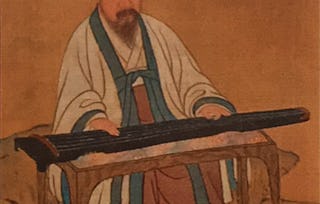
This lecture by Prof. Jo Jungeun examines the music theories of Zhu Xi and Jeong Yak-yong through the Sambun sonik (三分損益) method and the formation of the twelve pitch-standards. We begin by exploring the Sambun sonik method as presented in Ancient Chinese text, the Huainanzi and the Hanshu, focusing on how the twelve pitch-standards are generated through numerical calculation. We then turn to Zhu Xi’s acceptance of this traditional framework, followed by Jeong Yak-yong’s critical response and his proposal of a new system grounded in yin–yang principles. The lecture offers a clear comparative overview of their different approaches to pitch theory.
涵盖的内容
6个视频1篇阅读材料2个作业
6个视频• 总计43分钟
- Introduction• 8分钟
- The Sambun-sonik Method in the Huainanzi and the Hanshu• 13分钟
- Zhu Xi’s Music Theory• 4分钟
- Jeong Yak-yong’s Music Theory; Criticism of the Sambun-sonik Method• 4分钟
- Jeong Yak-yong’s Music Theory; A New Method of Generating the Twelve Pitch-standards• 9分钟
- Q&A• 7分钟
1篇阅读材料• 总计60分钟
- Reading Materials• 60分钟
2个作业• 总计40分钟
- What have you learnt this week?• 10分钟
- Final Exam: What have you learnt in this course?• 30分钟
位教师


授课教师


提供方

提供方

Sungkyunkwan University (SKKU) was established in 1398 as the highest national educational institute in the early years of Joseon Dynasty in Korea. At present with the support of the world-renowned global company Samsung, SKKU is leading the development of higher education in Korea. SKKU actively encourages international collaboration through developing cutting-edge research and educational programs with its global partners.
从 Philosophy 浏览更多内容
TThe Chinese University of Hong Kong
课程
SSungkyunkwan University
课程
SSungkyunkwan University
课程
TThe Chinese University of Hong Kong
课程
人们为什么选择 Coursera 来帮助自己实现职业发展

Felipe M.

Jennifer J.

Larry W.

Chaitanya A.
常见问题
To access the course materials, assignments and to earn a Certificate, you will need to purchase the Certificate experience when you enroll in a course. You can try a Free Trial instead, or apply for Financial Aid. The course may offer 'Full Course, No Certificate' instead. This option lets you see all course materials, submit required assessments, and get a final grade. This also means that you will not be able to purchase a Certificate experience.
When you enroll in the course, you get access to all of the courses in the Specialization, and you earn a certificate when you complete the work. Your electronic Certificate will be added to your Accomplishments page - from there, you can print your Certificate or add it to your LinkedIn profile.
Yes. In select learning programs, you can apply for financial aid or a scholarship if you can’t afford the enrollment fee. If fin aid or scholarship is available for your learning program selection, you’ll find a link to apply on the description page.
更多问题
提供助学金,