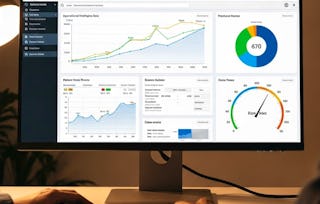
A hands-on approach to learning the Splunk platform to search, report, and visualize machine-generated data. Splunk is the market-leading platform for unified observability, enabling organizations to develop, organize, and communicate data insights. Using Splunk, you can collect, transport, and index peta-byte scale telemetry data in a centralized platform. Application developers, SREs, DevOps professionals, and security analysts can use Splunk to explore and analyze data in real time, empowering them to respond to incidents rapidly. The Splunk Search Processing Language (SPL) is the secret to Splunks capabilities in slicing and dicing the data. In addition to SPL, Splunk provides versatile tools such as field extractions, lookups, dashboards, and alerts to develop intelligence using the data collected. With all the sophisticated features offered by Splunk, beginners usually find the platform difficult to learn. That is where this well-designed and user-oriented course comes in.

Practical Splunk for Beginners

您将学到什么
Search using Search Processing Language (SPL)
Group and correlate events
Perform statistical calculations from search results
Visualize data using charts
Create reports and alerts
Create dashboards
Use lookups to enhance search results
Create data dashboards in Splunk Dashboard Studio
您将获得的技能
要了解的详细信息

添加到您的领英档案
9 项作业
September 2025
了解顶级公司的员工如何掌握热门技能

该课程共有1个模块
This module provides a comprehensive introduction to Splunk, covering its platform components, installation, and the fundamentals of Splunk Search Processing Language (SPL). Learners progress through data analysis techniques, field extraction, event grouping, and correlation. The module also explores creating reports, alerts, and interactive dashboards using both classic methods and Splunk Dashboard Studio, equipping users with essential skills to visualize, analyze, and act on machine data within Splunk.
涵盖的内容
37个视频9个作业


人们为什么选择 Coursera 来帮助自己实现职业发展

Felipe M.

Jennifer J.

Larry W.