By the end of this course, you will (1) assess and treat shoulder dysfunctions across athletic and general populations and (2) apply advanced rehabilitation and performance strategies for mobility and stability. Led by Sue Falsone, PT, ATC—former Head Athletic Trainer of the Los Angeles Dodgers—this course combines decades of elite sports experience with evidence-based shoulder care.

Comprehensive Shoulder Mechanics and Treatment Approaches

Comprehensive Shoulder Mechanics and Treatment Approaches
访问权限由 New York State Department of Labor 提供
您将学到什么
How to assess and treat shoulder dysfunction in both athletes and general clients
How to design rehab and performance programs integrating mobility and strength
您将获得的技能
要了解的详细信息

可分享的证书
添加到您的领英档案
作业
3 项作业
授课语言:英语(English)
最近已更新!
January 2026
了解顶级公司的员工如何掌握热门技能

积累特定领域的专业知识
本课程是 Upper Body Specialist: Advanced Assessments and Treatments 专项课程 专项课程的一部分
在注册此课程时,您还会同时注册此专项课程。
- 向行业专家学习新概念
- 获得对主题或工具的基础理解
- 通过实践项目培养工作相关技能
- 获得可共享的职业证书

该课程共有3个模块
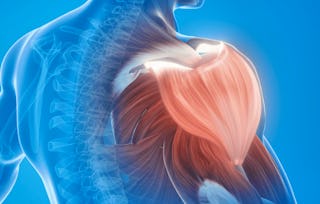
In Module 1 of the Shoulder Master Class, Dr. Sue Falsone breaks down the shoulder as an integrated system — not a single joint, but a coordinated relationship among the scapulothoracic, glenohumeral, AC, and SC joints. She emphasizes that shoulder dysfunction often originates elsewhere in the kinetic chain, such as the trunk or lower body, and highlights how energy leaks in the system can contribute to pain or loss of function. Using clear anatomical demonstrations, Sue shows how the subacromial space can easily become compromised and explains how posture, inflammation, rotator cuff function, and scapular stability all influence shoulder mechanics. Throughout the module, she reinforces the importance of anatomy and biomechanics literacy, encouraging therapists to think globally rather than treat locally. This module lays the groundwork for assessment and treatment by showing that to understand shoulder pain, you must first understand how the entire system works together.
涵盖的内容
3个视频3篇阅读材料1个作业1个讨论话题
Module 2 shifts from theory to application. Dr. Falsone demonstrates real-time assessment and corrective strategies for the most common compensations seen in athletes and clients with shoulder dysfunction. Using live models, she walks through upward/downward scapular rotation control, external rotation/external rotator dominance patterns, internal rotation deficits, and thoracic/neck involvement. She teaches how to activate the serratus anterior, lower trapezius, and deep neck flexors to restore efficient scapular mechanics. Exercises progress from simple band-assisted movements to loaded stability patterns like modified side planks with external rotation. Sue reinforces the concept of force couples, how muscle imbalances distort shoulder mechanics, and how proper activation creates improved centration of the humeral head. The session finishes with performance-focused posterior cuff strengthening, scapular stability drills, and high-value rehab exercises (Y’s, T’s, W’s, and dynamic Blackburns) that therapists can use immediately in clinical practice.
涵盖的内容
3个视频1篇阅读材料1个作业1个讨论话题
This final exam is designed to assess your understanding of the key concepts presented throughout the course. Please review all video lessons and written materials before beginning. A passing score of 70% or higher is required to successfully complete the course and earn your CE certificate. You may reference your notes during the exam. Once you pass, your certificate will be available for immediate download.
涵盖的内容
1个作业
获得职业证书
将此证书添加到您的 LinkedIn 个人资料、简历或履历中。在社交媒体和绩效考核中分享。
位教师


人们为什么选择 Coursera 来帮助自己实现职业发展

Felipe M.
自 2018开始学习的学生
''能够按照自己的速度和节奏学习课程是一次很棒的经历。只要符合自己的时间表和心情,我就可以学习。'

Jennifer J.
自 2020开始学习的学生
''我直接将从课程中学到的概念和技能应用到一个令人兴奋的新工作项目中。'

Larry W.
自 2021开始学习的学生
''如果我的大学不提供我需要的主题课程,Coursera 便是最好的去处之一。'

Chaitanya A.
''学习不仅仅是在工作中做的更好:它远不止于此。Coursera 让我无限制地学习。'
从 Health 浏览更多内容

Niel Asher Education
Niel Asher Education
Niel Asher Education
Niel Asher Education