AL
4.0评论日期:Mar 15, 2026
I liked that each module ended with a case study of an urban development project.

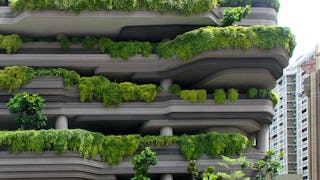
This course will provide students with an introduction to tools and concepts for a better understanding of the importance of the neighborhood as part of a sustainable city. This will include a careful look at the natural context of successful neighborhoods. An evaluation of important components and structure that create a sustainable neighborhood. Complete neighborhoods can provide their residents with pedestrian access to schools, daycare, recreational centers, and a variety of open spaces, as well as opportunities for food production. These and other aspects of sustainable neighborhoods will be carefully evaluated in this course. There will also be case studies of neighborhood development projects in Houston, TX, San Antonio, TX, and Chattanooga, TN. And lastly, the course will review the importance of zoning on sustainable neighborhoods with a particular focus on form-based zoning. By the end of this course, you will be able to: • Construct general plans for urban parks and natural corridors for achieving natural context neighborhoods. • Analyze how neighborhood schools, support services and civic sites contribute to neighborhood livability and sustainability. • Examine how local open space and housing density can be balanced as neighborhood components to achieve sustainable communities. • Evaluate the aspects of neighborhood structure that include packet parks, open-space configurations, and transit orientation in communities. • Apply lessons learned from the evaluation of three case studies at the Buffalo Bayou project in Houston, Texas, the Pearl District project in San Antonio Texas, and 21st century waterfront project in Chattanooga Tennessee. • Explain the importance of zoning for sustainable neighborhoods with a particular focus on form-based zoning. Example backgrounds that would be helpful for students to succeed in this course: - To have a general understanding of how public/private projects are planned and implemented - Have a strong interest or experience in planning and developing regional sustainable development plans - Familiar with how government organizations function in the areas of transportation planning and project development - Served as a volunteer committee member or leader on regional transportation projects and/or regional policy development initiatives - Have a background and interest in environmental protection plans and projects - A general knowledge of regional transportation project planning and implementation - General knowledge or experience in public participation in governmental policy development - A strong interest and/or experience in improving the urban environment for the benefit of its citizens - Have a general knowledge of legal and policy issues involved in sustainable development - Have experience or general knowledge of social equity issues
AL
I liked that each module ended with a case study of an urban development project.
KS
Some details are repetitive, but good examples and breakdowns of case studies and new concepts.
SO
Very informative and well laid out syllabus with great project case studies that increased my understanding of the concepts taught.
显示:13/13
I recently took a course on Sustainable Neighborhoods and I have to say, it was eye-opening. The course covered a range of topics including urban planning, green infrastructure, and sustainable design. One of the most interesting aspects was learning about the different types of residential developments and how they impact sustainability. The course even introduced a neighborhood sustainability assessment tool which was used to compare sustainability levels of different residential types. Overall, I highly recommend this course to anyone interested in learning more about sustainable living and urban development.
This course has proven to be an excellent resource providing in-depth knowledge of sustainable community planning, with a focus on concepts, tools and examples of successful projects, which has greatly enriched my skills in sustainable urban development
I would highly recommend this course to get a complete overview of sustainable cities and types of neighborhoods and their components. This course also includes case studies for all types of subjects which makes the course easy to understand and follow.
Very informative and well laid out syllabus with great project case studies that increased my understanding of the concepts taught.
super solid! So many great corses to learn from!
Very good and amazing contents!
Excellent!
Excellent
Some details are repetitive, but good examples and breakdowns of case studies and new concepts.
I liked that each module ended with a case study of an urban development project.
It's very interested for the engeeners
3 Stars
The expected timings for the reading sections were very underestimated