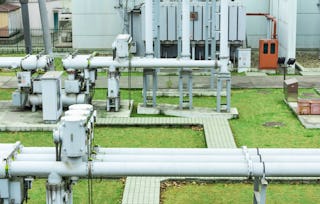
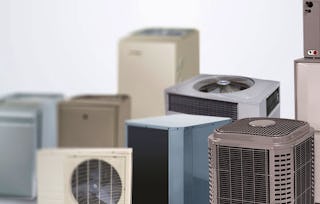
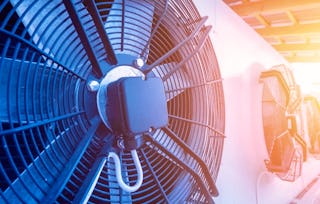
Building energy systems are responsible for moving energy around in buildings through air, water, and refrigerant distribution systems to meet heating, ventilating, and air conditioning (HVAC) needs of the occupied spaces. This course will train engineers and architects to design these HVAC systems based on the engineering foundation established in the previous course. Students will learn the design objectives dictated by occupant comfort and health, apply engineering principles to heat and mass exchangers, design both air and water distribution systems, and explore alternative methods for providing indoor environmental comfort to occupants.
抓住节省的机会!购买 Coursera Plus 3 个月课程可享受40% 的折扣,并可完全访问数千门课程。

Design of HVAC Distribution and Delivery Systems
本课程是 Building Energy Systems Engineering 专项课程 的一部分


位教师:Gregor Henze
包含在 中
您将学到什么
Apply physics principles to heat and mass exchangers and engineering guidelines to select heating and cooling coils for HVAC applications.
Apply engineering principles to the design of air distribution systems, including duct sizing and fan selection.
Apply engineering principles to water distribution systems, including pipe sizing and pump selection, and compare water and air distribution systems.
要了解的详细信息

添加到您的领英档案
January 2026
21 项作业
了解顶级公司的员工如何掌握热门技能

积累特定领域的专业知识
- 向行业专家学习新概念
- 获得对主题或工具的基础理解
- 通过实践项目培养工作相关技能
- 获得可共享的职业证书

该课程共有6个模块
HVAC design begins in the building occupied zone. In this module, you will learn the anatomy and functional characteristics of both air and water distribution and delivery systems. The design of these systems is driven by occupant needs for comfort, health, and productivity. Our exploration of thermal comfort and acoustic considerations will inform the design, especially at the interface with the occupied zone.
涵盖的内容
10个视频6篇阅读材料3个作业
In this module, you will explore the range of possibilities for achieving comfort, health, and productivity in occupied spaces. The possibilities include air delivery strategies for fully mixed zones and alternative displacement methods that involve intentional stratification, as well as radiant methods either as separate systems or integrated into the building structure.
涵盖的内容
6个视频5篇阅读材料5个作业
Moving conditioned air around in a building is an exercise in fluid dynamics. In this module, you will understand pressure profiles in air distribution systems and layout and design air distribution systems using two common design methods. You will also understand how fans interact with duct systems, leading to application of engineering guidelines for their selection and operation.
涵盖的内容
8个视频5篇阅读材料5个作业
As with air, moving hot and chilled water around in a building is an exercise in fluid dynamics. In this module, you will understand pressure profiles in water distribution systems and layout and design water distribution systems using a common design method. You will also understand how pumps interact with piping systems, leading to application of engineering guidelines for their selection and operation. Finally, you will compare and contrast performance benefits of air and water distribution systems.
涵盖的内容
7个视频5篇阅读材料4个作业
Heat and mass exchange are foundational processes in building energy systems. In this module, you learn about the functional characteristics of heat and mass exchangers, analyze their performance, and select heating and cooling coils for HVAC applications.
涵盖的内容
5个视频5篇阅读材料3个作业
This final exam comprehensively tests your understanding of all five modules of this course through a set of conceptual, equipment selection, and quantitative questions. Some of the conceptual questions will involve simple arithmetic calculations, while for the quantitative questions, you will need to employ your computational tools that you developed. Review these tools and have them ready before you embark on the final exam.
涵盖的内容
1篇阅读材料1个作业
获得职业证书
将此证书添加到您的 LinkedIn 个人资料、简历或履历中。在社交媒体和绩效考核中分享。
位教师


从 Mechanical Engineering 浏览更多内容
状态:免费试用
状态:免费试用L&T EduTech
状态:免费试用
状态:免费试用
人们为什么选择 Coursera 来帮助自己实现职业发展

Felipe M.

Jennifer J.

Larry W.

Chaitanya A.
常见问题
To access the course materials, assignments and to earn a Certificate, you will need to purchase the Certificate experience when you enroll in a course. You can try a Free Trial instead, or apply for Financial Aid. The course may offer 'Full Course, No Certificate' instead. This option lets you see all course materials, submit required assessments, and get a final grade. This also means that you will not be able to purchase a Certificate experience.
When you enroll in the course, you get access to all of the courses in the Specialization, and you earn a certificate when you complete the work. Your electronic Certificate will be added to your Accomplishments page - from there, you can print your Certificate or add it to your LinkedIn profile.
Yes. In select learning programs, you can apply for financial aid or a scholarship if you can’t afford the enrollment fee. If fin aid or scholarship is available for your learning program selection, you’ll find a link to apply on the description page.
更多问题
提供助学金,