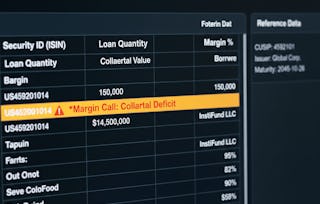
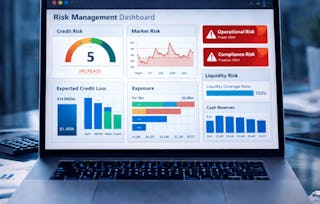
This course is designed to equip learners with a solid understanding of operational risk in financial institutions, with a particular focus on regulatory environments in the United States and United Kingdom. Through a structured exploration of risk fundamentals, process frameworks, and capital assessment techniques, learners will progressively identify, explain, analyze, and evaluate operational risk across various business contexts.

Operational Risk Management | US and UK Markets

要了解的详细信息

可分享的证书
添加到您的领英档案
作业
4 项作业
授课语言:英语(English)
了解顶级公司的员工如何掌握热门技能


人们为什么选择 Coursera 来帮助自己实现职业发展

Felipe M.
自 2018开始学习的学生
''能够按照自己的速度和节奏学习课程是一次很棒的经历。只要符合自己的时间表和心情,我就可以学习。'

Jennifer J.
自 2020开始学习的学生
''我直接将从课程中学到的概念和技能应用到一个令人兴奋的新工作项目中。'

Larry W.
自 2021开始学习的学生
''如果我的大学不提供我需要的主题课程,Coursera 便是最好的去处之一。'

Chaitanya A.
''学习不仅仅是在工作中做的更好:它远不止于此。Coursera 让我无限制地学习。'
学生评论
- 5 stars
92.30%
- 4 stars
7.69%
- 3 stars
0%
- 2 stars
0%
- 1 star
0%
显示 3/13 个
SB
已于 Jan 12, 2026审阅
It explains key risk frameworks and terminology in a way that is easy to follow, even for those new to the topic.
II
已于 Feb 2, 2026审阅
The course works better as an awareness-level or refresher program rather than in-depth training.
SM
已于 Dec 5, 2025审阅
The content focuses on how operational risk is actually handled in US and UK financial markets, making it valuable for people working in banking, fintech, or compliance.
从 Business 浏览更多内容
New York Institute of Finance

Corporate Finance Institute