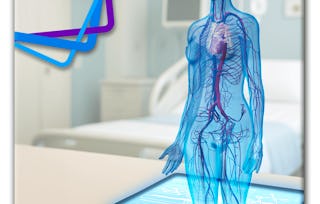
This course explores the structure and function of the cardiovascular system, providing a comprehensive foundation in both anatomy and physiology. Learners will study the heart’s chambers, valves, and conduction system, as well as the major blood vessels that maintain systemic and pulmonary circulation. The course also examines key physiological principles such as cardiac output, blood flow regulation, and blood pressure control. Through detailed visuals, clinical examples, and guided review materials, students will develop a clear understanding of how the cardiovascular system sustains life and responds to physiological demands—essential knowledge for nursing, medical, and allied health education.

Cardiovascular System: Anatomy & Physiology

Cardiovascular System: Anatomy & Physiology
访问权限由 Coursera Learning Team 提供
您将学到什么
Identify the structural components of the heart and great vessels
Describe the pathway of blood flow through the circulatory system
Explain how the cardiac conduction system coordinates heart function
Discuss the physiological factors influencing cardiac output and blood pressure
要了解的详细信息

可分享的证书
添加到您的领英档案
作业
9 项作业
授课语言:英语(English)
了解顶级公司的员工如何掌握热门技能

积累特定领域的专业知识
本课程是 Medical-Surgical Nursing: Cardiovascular & ECG Essentials 专项课程 专项课程的一部分
在注册此课程时,您还会同时注册此专项课程。
- 向行业专家学习新概念
- 获得对主题或工具的基础理解
- 通过实践项目培养工作相关技能
- 获得可共享的职业证书

该课程共有2个模块
获得职业证书
将此证书添加到您的 LinkedIn 个人资料、简历或履历中。在社交媒体和绩效考核中分享。
提供方


人们为什么选择 Coursera 来帮助自己实现职业发展

Felipe M.
自 2018开始学习的学生
''能够按照自己的速度和节奏学习课程是一次很棒的经历。只要符合自己的时间表和心情,我就可以学习。'

Jennifer J.
自 2020开始学习的学生
''我直接将从课程中学到的概念和技能应用到一个令人兴奋的新工作项目中。'

Larry W.
自 2021开始学习的学生
''如果我的大学不提供我需要的主题课程,Coursera 便是最好的去处之一。'

Chaitanya A.
''学习不仅仅是在工作中做的更好:它远不止于此。Coursera 让我无限制地学习。'
从 Health 浏览更多内容
University of Michigan
Rice University

Duke University