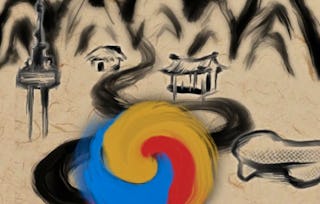
In the “Exploration to Korean Philosophy” series, we will delve deeper into the subject matter than what was previously addressed in the courses “Introduction to Korean Philosophy and Culture (IKPC)” and “In Search for the Origins of Korean Philosophy (SOKP).”

EKP2: Formation of Korean Neo-Confucianism

本课程是 Korean Philosophy Essentials 专项课程 的一部分

位教师:SO JEONG PARK
访问权限由 Coursera Learning Team 提供
您将学到什么
Examine the Confucian-Buddhist debate during the Joseon dynasty, emphasizing the rise of Neo-Confucianism over Buddhism and Daoism
Understand the use of diagrams in Neo-Confucianism and their role in Korean philosophy
Explore the connection between the heart-mind and Heaven in Korean philosophy
Explore the famous Four-Seven debate, delving into the distinctions between the four moral emotions and seven everyday feelings
要了解的详细信息
了解顶级公司的员工如何掌握热门技能

积累特定领域的专业知识
- 向行业专家学习新概念
- 获得对主题或工具的基础理解
- 通过实践项目培养工作相关技能
- 获得可共享的职业证书

该课程共有4个模块
This week, we focus on the Confucian-Buddhist debate during the Joseon dynasty, emphasizing the rise of Neo-Confucianism over Buddhism and Daoism. We will learn about Neo-Confucian critiques against Buddhism and reflect on the role of argumentation in Korean philosophy and society. The lessons also cover the transition from syncretism to orthodoxy and highlight key historical figures. In later lessons, we will explore Sambong's critiques of Buddhism and delve into the Confucian-Buddhist debates between Sambong and Gihwa, considering their impact on modern Korean philosophy and social harmony.
涵盖的内容
9个视频2篇阅读材料1个作业1个讨论话题
This week, we will focus on the use of diagrams in Neo-Confucianism and their role in Korean philosophy. We will learn about the emergence of these diagrams, their significance, and specific diagrams related to human relations with Heaven and Earth. The lessons also cover the Korean philosophical diagram, Doseol, which represents human existence and life in Joseon Korea. Lastly, we will explore the early development of Doseol and its role in domesticating Neo-Confucianism in Korea.
涵盖的内容
5个视频1篇阅读材料1个作业1个讨论话题
In this week, we will explore the connection between the heart-mind and Heaven in Korean philosophy. We will gain an understanding of the Korean concept of Maum (heart-mind), its role in reaching Heaven, and its connection with Heaven and humans. The lessons also delve into the historical significance of Cheonmyeong-do and the centuries-long debate it sparked in Korea.
涵盖的内容
11个视频1篇阅读材料1个作业1个讨论话题
In this week, we will explore the famous Four-Seven debate, delving into the distinctions between the four moral emotions and seven everyday feelings. We will analyze whether Korean Neo-Confucianism is synonymous with Korean philosophy and understand these concepts through the Li-Qi metaphysical framework. The lessons also revisit the Four-Seven debate, examining the role of Libal and the emphasis on seven feelings in Korean Neo-Confucianism.
涵盖的内容
8个视频1篇阅读材料2个作业1次同伴评审1个讨论话题
获得职业证书
将此证书添加到您的 LinkedIn 个人资料、简历或履历中。在社交媒体和绩效考核中分享。
位教师

人们为什么选择 Coursera 来帮助自己实现职业发展

Felipe M.

Jennifer J.

Larry W.

Chaitanya A.
从 Arts and Humanities 浏览更多内容

Sungkyunkwan University
Sungkyunkwan University
Sungkyunkwan University

Sungkyunkwan University
¹ 本课程的部分作业采用 AI 评分。对于这些作业,将根据 Coursera 隐私声明使用您的数据。